Billy’s entire professional life is rooted in the sustainable use model that underpins Zambian wildlife management. His background on a family game farm and his service with PHAZ/PGOAZ, particularly on the Trophy Records sub‑committee, keep him closely aligned with best practices in age‑class selection, record‑keeping, and ethical standards. By working with reputable operators and sticking to fair‑chase principles, he ensures that every safari contributes positively to conservation funding, local employment, and community support in rural Zambia.
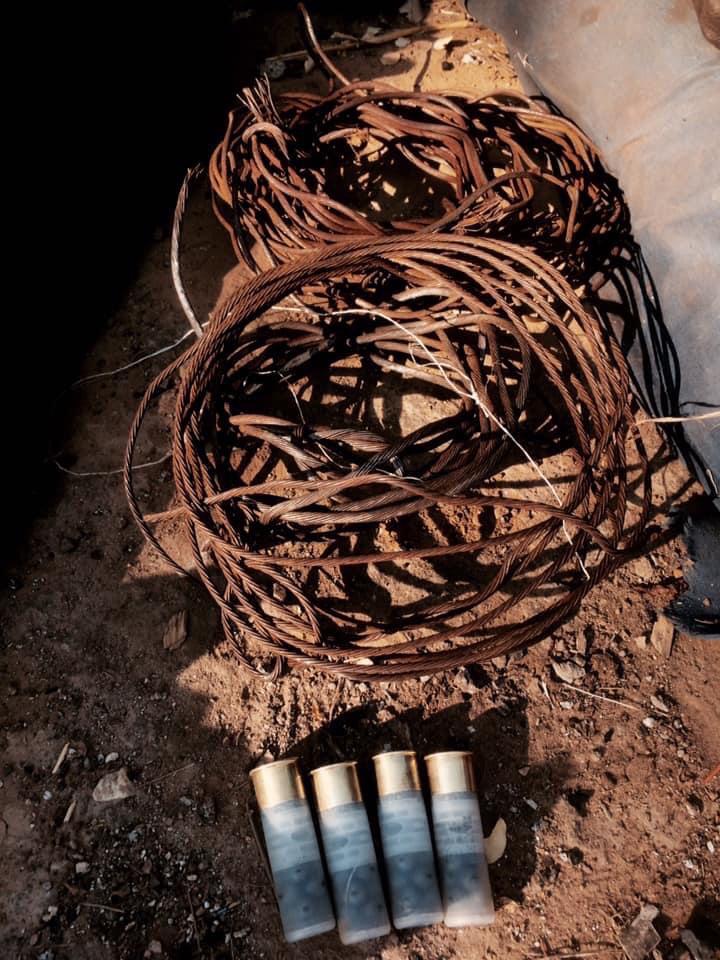
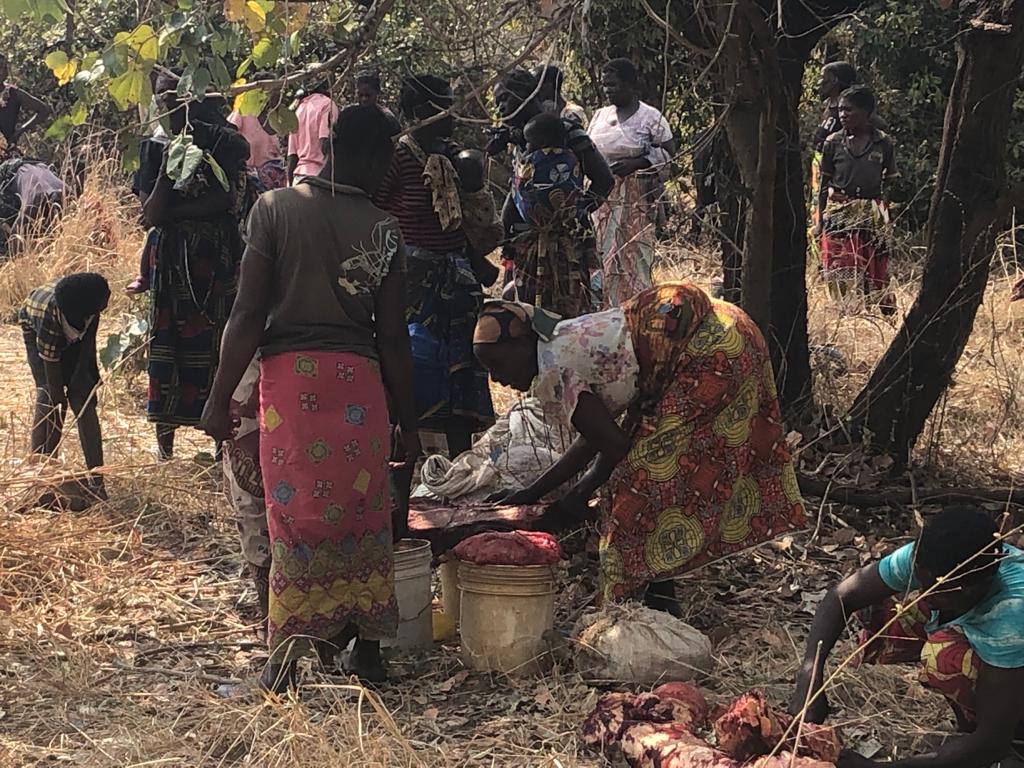
In many parts of rural Zambia, regulated hunting plays a practical role in keeping wildlife and wild areas valuable to the people who live alongside them. When a safari takes place in a Game Management Area, a portion of the fees helps fund anti‑poaching patrols, wildlife scouts, road and airstrip maintenance, and other on‑the‑ground conservation work, which makes it possible to protect large tracts of habitat that might otherwise be cleared or over‑exploited. At the same time, hunting brings jobs and income for local trackers, camp staff, suppliers, and community projects, plus meat for villages, creating a direct incentive for communities to safeguard the game on their land instead of snaring or converting it to agriculture. Over time, this shared benefit builds a sense of ownership and partnership, so that healthy wildlife populations and intact habitats are seen as an asset worth protecting rather than a problem to be removed.
Clients often comment that Billy’s calm, patient manner and good humour make the challenges of tough tracking, long days, and remote camps both enjoyable and rewarding. That same attitude carries through to the way he interacts with camp staff, community members, and conservation partners.
This work in the field is only possible because of a strong team behind every safari. Billy often explains to clients that he is simply the captain of a sports team, with his long‑time “vice‑captain” Kelvin bringing experience, resilience, and steady leadership to every hunt, even after losing a leg to cancer. Depending on the operator and Game Management Area, they work with different local teams of trackers, skinners, chefs, and camp staff, whose skills and hard work keep camp running smoothly and make each safari safe, ethical, and rewarding for guests and communities alike.